Mushroom Supplements Buying Guide
Mushroom Supplements Buying Guide
This mushroom supplements buying guide is here to help you select what is best for you and send you to the best retailers.
Choosing a mushroom supplement can be confusing. There are many different mushroom species, extracts, powders, formulations and brands available, and products that appear similar can vary considerably in their ingredients and quality.
Our mushroom supplements buying guide explains what to look for when comparing products, including the type of mushroom, whether it is a powder or extract, ingredient information, serving size, quality testing and manufacturer transparency.
The aim is to help you make a more informed decision rather than simply choosing a product based on price or marketing claims.
What Are Mushroom Supplements?
Mushroom supplements are products containing mushrooms or compounds derived from mushrooms. They are commonly available as powders, capsules, tablets, liquid extracts and drinks.
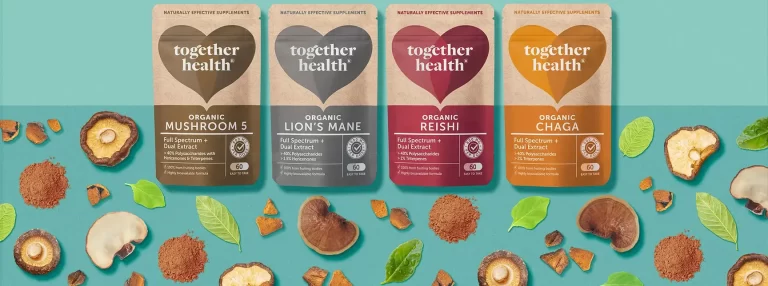
Popular mushroom supplements include:
- Lion’s Mane
- Reishi
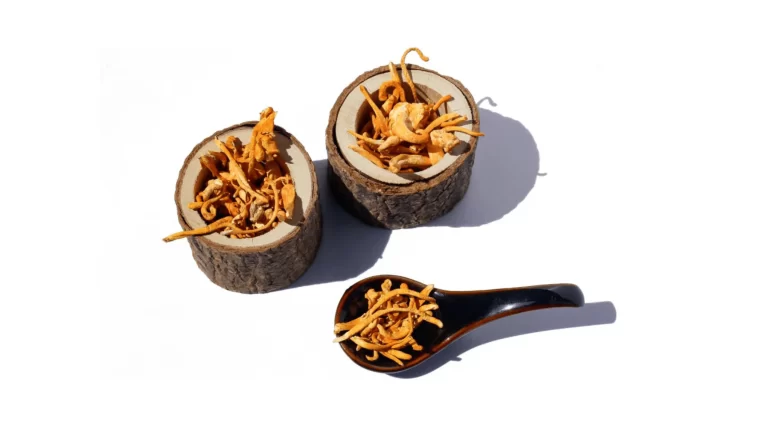
- Cordyceps
- Chaga
- Turkey Tail
- Maitake
- Shiitake
- Mushroom blends
Different mushrooms contain different naturally occurring compounds, and research into their potential properties is ongoing.
If you are interested in the evidence behind mushroom supplements, see our Mushroom Supplements Science guide.
1. Check the Mushroom Species
The first thing to establish is exactly which mushroom is contained in the product.
Look for the scientific name as well as the common name. For example:
- Lion’s Mane — Hericium erinaceus
- Reishi — Ganoderma lucidum or another specified Ganoderma species
- Chaga — Inonotus obliquus
- Turkey Tail — Trametes versicolor
Knowing the species makes it easier to research the scientific literature and compare products accurately.
2. Mushroom Powder or Mushroom Extract?
The mushroom supplements buying guide explains the differences. One of the most important differences between mushroom supplements is whether they contain whole mushroom powder or an extract.
Mushroom powder
Mushroom powder is generally made by drying and grinding the mushroom material.
The label should make it clear what type of mushroom material is being used.
Mushroom extract
An extract has undergone an extraction process designed to concentrate or make certain compounds more available.
Some products specify an extraction ratio, such as 8:1 or 10:1. However, an extraction ratio on its own does not necessarily tell you how much of a particular active compound is present.
For this reason, it is useful to look beyond the extraction ratio and examine the manufacturer’s information about standardisation and testing.
3. Look at the Ingredient List
The mushroom supplements buying guide defines what a good supplement is. A good supplement label should make it reasonably clear what you are buying.
Check:
- Mushroom species
- Amount per serving
- Type of preparation
- Other ingredients
- Capsule or tablet ingredients
- Recommended serving
- Any standardisation information
- Manufacturer or supplier information
The mushroom supplements buying guide wants you to be cautious when a product uses broad terms such as “mushroom complex” without clearly explaining which mushrooms and quantities are included.
4. Check the Beta-Glucan Information
Beta-glucans are naturally occurring polysaccharides found in mushrooms and other foods.
Some mushroom supplement manufacturers provide beta-glucan information as part of their product testing. This mushroom supplements buying guide selects the most transparent and reputable suppliers.
Where this information is available, check whether the label distinguishes beta-glucans from total polysaccharides.
A product stating a very high “polysaccharide” percentage is not necessarily equivalent to a product providing independently verified beta-glucan content.
This is one reason transparent laboratory testing can be useful when comparing supplements.
5. Find Out What Part of the Mushroom Is Used
Some supplements are made from fruiting bodies, while others use mycelium or a combination of materials.
The product description should ideally explain what material is being used.
This can be particularly important when comparing products from different manufacturers because two products labelled with the same mushroom name may not contain the same type of mushroom material.
6. Look for Third-Party Testing
Independent testing can provide additional information about the quality and composition of a supplement. The mushroom supplements buying guide only recommends manufacturers where this can be checked.
Where available, look for information about testing for:
- Identity
- Potency
- Microbial contamination
- Heavy metals
- Pesticide residues
- Other contaminants
Not every manufacturer will publish complete laboratory reports, but greater transparency can be a useful factor when comparing products.
7. Consider the Manufacturer
Before buying a mushroom supplement, investigate who makes or supplies it.
Look for:
- A clearly identified company
- Contact details
- Transparent ingredient information
- Batch or lot information
- Quality-control information
- Testing information
- Clear dosage instructions
- Appropriate product labelling
A professional website and clear product information do not automatically prove that a supplement is superior, but a lack of basic information should make you more cautious.
8. Be Careful With Health Claims
Mushroom supplements are often marketed using impressive health claims.
You may see claims relating to:
- Memory
- Concentration
- Energy
- Immunity
- Stress
- Sleep
- Inflammation
- Longevity
However, the existence of research into a mushroom does not automatically mean that a particular supplement has been proven to produce a specific health benefit.
Research can involve laboratory experiments, animal studies, observational research or human clinical trials. These types of evidence have different strengths and limitations.
When evaluating a product, separate what has been studied from what has been proven in humans.
9. Compare the Serving Size
Price alone can make it difficult to compare mushroom supplements.
Instead, look at the amount provided per serving and the number of servings in the container.
For example, two products may have similar prices but contain very different amounts of mushroom material.
Where products use extracts, also consider the type of extract and any available standardisation information.
10. Don’t Assume More Is Better
A higher amount of mushroom powder or extract does not automatically mean a better product.
The appropriate amount can depend on the mushroom, preparation and individual product.
Follow the manufacturer’s recommended serving rather than assuming that taking more will provide greater benefits.
11. Be Cautious With Mushroom Blends
Multi-mushroom products can contain several species in one formulation.
These may include combinations of:
- Lion’s Mane
- Reishi
- Cordyceps
- Chaga
- Turkey Tail
- Maitake
- Shiitake
Blends can be convenient, but check how much of each mushroom is actually included.
A product containing ten different mushrooms may provide relatively small amounts of each one.
If you are particularly interested in one mushroom, a single-mushroom product can sometimes make it easier to understand exactly what you are taking.
12. Capsules, Powders or Liquid Extracts?
Mushroom supplements are available in several formats.
Capsules
Convenient and easy to take, particularly for people who don’t want to mix powders into food or drinks.
Powders
Can be mixed into drinks, smoothies or food. However, check whether the powder is simply powdered mushroom or an extract.
Liquid extracts
These can be convenient and may provide an alternative to capsules or powders. Check the ingredients and concentration information carefully.
The best format is largely a matter of personal preference, provided the product itself is clearly labelled and appropriately manufactured.
13. Consider Value Rather Than Just Price
The cheapest product is not necessarily the best value.
When comparing products, consider:
Price ÷ number of servings = approximate cost per serving
You can then compare the serving size, mushroom material, extraction method and testing information.
This gives you a more useful comparison than looking at the package price alone.
14. Check the Safety Information
Mushroom supplements are not automatically risk-free simply because they are derived from natural ingredients.
Before taking a supplement, check the manufacturer’s safety information and consider whether you have any reason to seek professional advice.
This is particularly important if you:
- Take prescription medicines
- Are pregnant or breastfeeding
- Have an existing medical condition
- Have known allergies
- Are preparing for surgery
If you are unsure whether a mushroom supplement is appropriate for you, speak to a doctor, pharmacist or other suitably qualified healthcare professional.
15. Research the Mushroom Before Buying
Once you have identified a product, research the specific mushroom separately from the manufacturer’s marketing claims.
For example, if you are considering Lion’s Mane, look at the human research rather than simply reading claims made on product pages.
Our mushroom guides examine individual species and the available scientific evidence, including:
- Lion’s Mane
- Reishi
- Cordyceps
- Chaga
- Turkey Tail
You can also read our Mushroom Supplements Science section for an overview of how mushroom research is conducted and interpreted.
Mushroom Supplement Buying Checklist
Before buying a mushroom supplement, ask:
☐ What mushroom species does it contain?
☐ Is the scientific name provided?
☐ Is it a powder or extract?
☐ Does the label identify the mushroom material used?
☐ How much is provided per serving?
☐ Are other ingredients clearly listed?
☐ Is beta-glucan information available?
☐ Does the manufacturer provide testing information?
☐ Is the manufacturer clearly identified?
☐ Can you find clear dosage instructions?
☐ Are the health claims supported by appropriate evidence?
☐ Have you compared the cost per serving?
☐ Have you checked the safety information?
What Makes a Good Mushroom Supplement?
There is no single mushroom supplement that is automatically the best choice for everyone.
Our mushroom supplement buying guide confirms that a good product should provide enough information for you to understand what you are buying.
Look for clear labelling, a specified mushroom species, transparent ingredients, sensible serving information, appropriate quality-control information and realistic claims.
The more information a manufacturer provides about its ingredients and testing, the easier it is to make an informed comparison.
Final Thoughts from The Mushroom Supplements Buying Guide
Buying mushroom supplements requires a little more investigation than simply choosing the product with the highest number of stars or the most impressive claims.
Start by identifying the mushroom species and then look at the form of the product, ingredients, serving size, extraction method and available testing information. Most importantly, distinguish between promising laboratory research and evidence from well-designed human clinical studies.
Mushroom supplements are an area of continuing scientific research. The mushroom supplements buying guide lets you make a sensible buying decision should therefore be based on the quality and transparency of the product as well as the current evidence for the mushroom itself.
Related Guides
- Mushroom Supplements Science
- Mushroom Supplement Reviews
- Lion’s Mane Science
- Reishi Science
- Cordyceps Science (coming soon)
- Chaga Science
- Mushroom Supplement Safety