Science and Mushroom Supplements: The Fungal Fountain of Youth?
We look here at science and mushroom supplements. Does the science back up the claims made by mushroom supplements producers?
For centuries, mushrooms have been more than just a culinary delight. Ancient cultures revered them for their medicinal properties, and modern science is beginning to catch up, unravelling the complex biochemical tapestry that makes these fascinating fungi potent allies for our health.
 Mushroom supplements, once a niche product, are now flooding the market, promising everything from enhanced immunity to improved cognitive function. But what’s the real science and mushroom supplements research? Are these claims supported, what is behind these claims behind these claims, and which compounds are pulling the weight?
At the heart of mushroom’s medicinal prowess lie a diverse array of bioactive compounds. Among the most celebrated are polysaccharides, particularly beta-glucans. These complex carbohydrates, found abundantly in the cell walls of many medicinal mushrooms, are not just indigestible fibrr for humans; they act as powerful immunomodulators.
“Beta-glucans interact with immune cells, essentially priming them for action and enhancing their ability to recognise and respond to pathogens,” explains Dr. Wei Du, a researcher specialising in immunopharmacology at the National Institutes of Health. “They have a dual role, either boosting a suppressed immune system or calming an overactive one, which is crucial for managing inflammatory conditions.”
Research has consistently demonstrated the immunomodulatory effects of beta-glucans. A science and mushroom supplements review published in the *Journal of the American College of Nutrition* in 2008 highlighted how beta-glucans can stimulate macrophages, natural killer cells, and T-cells, key players in the immune defence system.
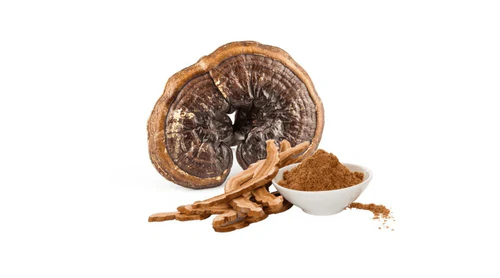
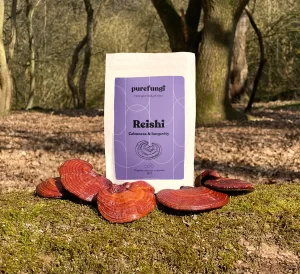
More recent science and mushroom supplements studies continue to support these findings. For instance, research on Reishi (Ganoderma lucidum), a celebrated adaptogen often referred to as the “mushroom of immortality,” has shown its beta-glucans to possess significant immune-boosting capabilities. A study in the *International Journal of Medicinal Mushrooms* (2018) demonstrated that compounds from Reishi could enhance certain immune responses in healthy individuals.
Beyond immune support, other compounds are garnering significant attention and are included in science and mushroom supplements research, particularly for their neurological benefits. Triterpenes, a group of lipid-soluble compounds, are another hallmark of medicinal mushrooms, especially those known for their cognitive enhancement potential.
 Lion’s Mane (Hericium erinaceus), with its distinctive cascading white tendrils, has become a star player in the cognitive supplement space. Its power lies in its ability to stimulate the production of nerve growth factor (NGF) and brain-derived neurotrophic factor (BDNF). These proteins are vital for the creation, maintenance, and survival of neurons – the fundamental building blocks of our nervous system.
“NGF and BDNF are like fertiliser for your brain,” states Dr. Sarah Kaplan, a neuroscientist at the University of California, Berkeley. “They promote neurogenesis (the birth of new neurons) and neuroplasticity (the brain’s ability to adapt and rewire itself), which are essential for learning, memory, and overall cognitive resilience.”
A landmark study published in the *Journal of Alzheimer’s Disease* (2008) provided compelling evidence for Lion’s Mane’s cognitive benefits. In this study, elderly participants with mild cognitive impairment who consumed dried Lion’s Mane mushroom experienced significant improvements in cognitive function compared to a placebo group.
While this was a pilot study, follow-up research continues to explore these effects. A more recent systematic review and meta-analysis published in *Phytotherapy Research* (2020) concluded that Lion’s Mane mushroom may have the potential to improve cognitive function in individuals with mild cognitive impairment.
Another fascinating compound found in certain mushrooms, particularly Cordyceps, is cordycepin. This nucleoside analog has demonstrated a range of potential therapeutic properties, including anti-inflammatory, antioxidant, and antiviral effects. Beyond these, research is exploring its impact on energy metabolism and exercise performance.
Studies, such as one published in the *Journal of the American Nutrition Association* (2004), have suggested that Cordyceps supplementation can improve exercise performance and reduce fatigue in older adults.
It’s crucial to note that the research landscape for mushroom supplements is still evolving. While promising, many studies are preclinical (conducted in labs on cells or animals) or have small sample sizes. Furthermore, the extraction methods used to create supplements play a critical role in bioavailability and the concentration of beneficial compounds.
“Not all mushroom supplements are created equal,” cautions Dr. Emily Carter, a pharmacologist with expertise in natural product chemistry. “The way mushrooms are processed – whether they are dried, powdered, or extracted with water or alcohol – can significantly impact the amount and type of bioactive compounds present. A dual-extraction, for example, can capture both water-soluble beta-glucans and alcohol-soluble triterpenes.”
The diverse array of mushroom species and the complex synergistic interactions between their bioactive compounds are what make them so intriguing.
While science and mushroom supplements enquiry continues to illuminate their mechanisms of action, the evidence points towards tangible health benefits, particularly in the realms of immune support and cognitive function. As consumers, understanding the science behind these fungal allies can empower us to make informed choices and unlock the potential of nature’s remarkable pharmacy.
